Exploring the Benefits of Thread Rolling in Military Equipment Production
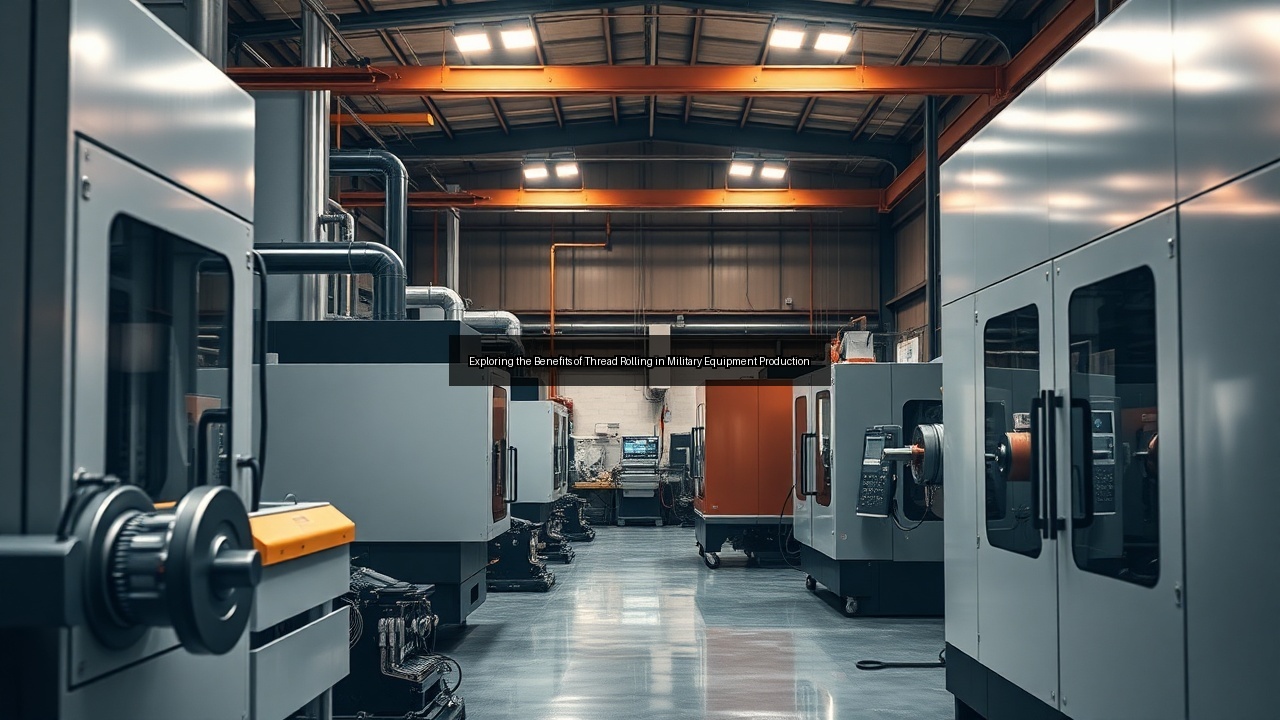
Understanding Thread Rolling in Military Equipment Production
What is Thread Rolling?
Thread rolling forms threads on metal parts through cold forming rather than cutting. Manufacturers press dies against rotating blanks to displace material into precise thread profiles. This process strengthens the grain structure along the thread flanks and roots. Military contractors rely on thread rolling services to produce fasteners that withstand extreme vibration and load cycles. The method works on various metals including high-strength alloys and stainless grades. Unlike thread milling or thread casting, rolling avoids material removal and creates continuous fiber flow. Operators monitor parameters such as die pressure and feed rate to maintain consistency across production runs. Thread rolling services deliver uniform results that meet strict defense specifications for equipment exposed to harsh field conditions.
The Importance of Precision in Military Applications
Precision threads ensure reliable assembly of weapons systems, vehicles, and communication gear. Even minor dimensional deviations can cause loosening under recoil or rapid maneuvers. Thread rolling services achieve tight tolerances that support consistent torque values during installation. Military procurement teams demand fasteners that maintain integrity after repeated maintenance cycles. Accurate thread geometry also reduces stress concentrations that lead to fatigue failure. Manufacturers combine thread rolling with cnc machining to finish critical surfaces and verify pitch diameters. This level of control supports mission readiness by minimizing equipment downtime caused by stripped or mismatched threads. Defense projects therefore prioritize rolling processes that deliver repeatable accuracy across large batches.
Comparison of Thread Rolling vs. Traditional Threading Methods
Traditional threading methods such as thread milling or grinding remove material and interrupt the grain flow, which reduces fatigue resistance. Thread rolling displaces metal to form threads, resulting in work-hardened surfaces that resist wear. Roll-formed threads typically exhibit higher tensile strength and better surface finish than cut threads. Military manufacturers observe lower scrap rates when switching from single-point threading to rolling services. The process also supports higher production speeds on automatic machines. While thread rolling requires dedicated tooling, the long-term gains in part performance justify the investment for high-volume defense contracts. Contractors compare both approaches during process planning to balance strength requirements against cost targets.
Advantages of Thread Rolling Services for Military Manufacturing
Enhanced Strength and Durability of Fasteners
Thread rolling increases fastener strength by compressing the material and aligning grains along the thread contour. Military vehicles and aircraft experience constant vibration that quickly loosens cut threads. Rolled threads maintain preload longer because the hardened surface resists deformation. Fasteners produced through thread rolling services withstand higher shear loads without cracking at the root. Defense suppliers document extended service life in tracked vehicles and artillery mounts where rolled bolts replace milled alternatives. The improved durability reduces replacement frequency and supports sustained operational tempo in forward deployments.
Improved Tolerances and Dimensional Accuracy
Thread rolling services hold tight tolerances on major and minor diameters without secondary operations. CNC controls on modern rolling machines adjust die spacing in real time to correct deviations. Military specifications often require class 3A threads for critical joints. Rolling achieves these classes consistently across production lots because the process avoids tool wear associated with cutting. Manufacturers integrate thread rolling with cnc milling stations to machine shoulders and undercuts in one setup. This combined workflow delivers complete parts that pass first-article inspection without extensive rework.
Cost-Effectiveness in Large Scale Production
High-volume military contracts benefit from reduced material waste when rolling replaces machining. Less scrap metal lowers raw material purchases and disposal costs. Rolling machines run at faster cycle times than thread milling centers, increasing throughput per shift. Thread rolling services also extend tool life because dies experience compressive rather than abrasive forces. Defense manufacturers report lower per-unit costs once initial tooling amortizes over thousands of fasteners. Inventory managers schedule rolling runs to match demand forecasts, preventing excess stock of finished parts.
Technological Innovations in Thread Rolling
CNC Machining and Its Role in Thread Rolling
CNC machining integrates with thread rolling to automate part handling and inspection. Modern rolling machines accept programs that set die pressure, rotation speed, and dwell time for each alloy. Operators load raw wire or bar stock into feeders that synchronize with the rolling station. Inline sensors measure thread pitch and alert staff to drift before parts exceed tolerance. Military suppliers use this technology to produce consistent fasteners for night-vision mounts and electronics enclosures. The combination of cnc machining and rolling reduces setup time between different thread sizes and supports rapid response to design changes.
The Impact of EDM Machining on Thread Quality
EDM machining creates precise dies used in thread rolling services. Wire EDM cuts complex thread profiles into hardened tool steel with minimal heat-affected zones. Accurate dies transfer clean thread geometry to production parts without burrs. Military manufacturers rely on EDM-machined dies when producing threads on exotic metals that resist conventional grinding. The process also allows quick die modifications when specifications update. Thread rolling services equipped with EDM capabilities maintain shorter lead times for specialized fasteners required in aerospace and armored vehicle programs.
Integration of Swiss Screw Machining for Military Applications
Swiss screw machining produces small-diameter components that later receive rolled threads. The sliding headstock holds tight concentricity while the part advances through the rolling station. Defense contractors use this sequence for connector pins and adjustment screws in optical systems. Swiss screw machined blanks enter thread rolling services with minimal stock allowance, which preserves material strength. The integrated workflow supports high-volume runs of miniature fasteners that meet both dimensional and mechanical requirements for portable military electronics.
Applications of Thread Rolling in Military and Aerospace Industries
Key Components Manufactured with Thread Rolling
Thread rolling services supply bolts, studs, and nuts for aircraft engine mounts, missile guidance housings, and armored vehicle suspension arms. Rolled threads appear on hydraulic cylinder rods and radar array fasteners. Aerospace programs specify rolled threads on landing gear components where weight savings and fatigue life are critical. Military ground equipment uses rolled fasteners in turret ring assemblies and weapon cradle mounts. Each application benefits from the increased shear strength and surface hardness that thread rolling provides over conventional threading.
Case Studies of Successful Military Projects
One recent program replaced milled bolts in an artillery recoil mechanism with rolled equivalents. Field tests showed a 40 percent increase in cycle life before preload loss. Another project applied thread rolling services to titanium fasteners for an unmanned aerial vehicle frame. The lighter rolled parts reduced overall airframe weight while maintaining joint integrity under repeated launch stresses. Manufacturers in Wisconsin documented these gains through accelerated life testing that replicated desert and arctic conditions. The results confirmed that thread rolling delivers measurable reliability improvements for mission-critical assemblies.
Thread Rolling in Oil and Gas Equipment Production
Oil and gas drilling platforms share many environmental demands with military hardware. Thread rolling services produce high-pressure valve stems and blowout preventer bolts that resist hydrogen embrittlement. Rolled threads on drill pipe connections maintain seal integrity under extreme torque and pressure cycles. Manufacturers apply the same rolling parameters developed for defense fasteners to these energy-sector parts. The cross-industry experience strengthens process controls and supports consistent quality when military suppliers expand into oil and gas contracts.
Choosing the Right Thread Rolling Service Provider
Factors to Consider in Selecting Manufacturers
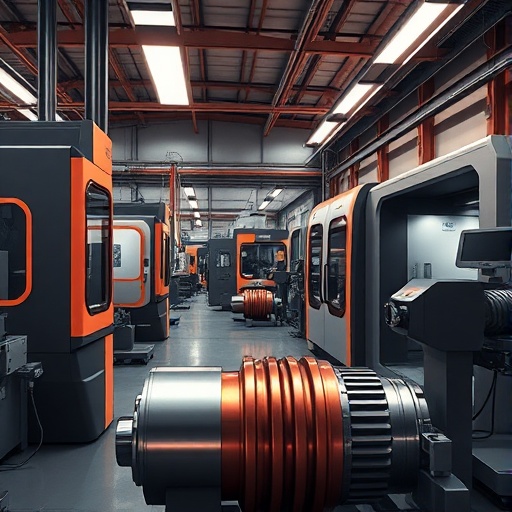
Military buyers evaluate a provider’s experience with defense alloys and its capacity for large rolling runs. They review equipment lists that include both flat-die and cylindrical-die machines. Certifications such as AS9100 and ITAR registration confirm the ability to handle controlled parts. Lead times and on-time delivery records also influence selection. Thread rolling services that maintain in-house die manufacturing through EDM machining can respond faster to urgent orders. Buyers visit facilities to verify material traceability from wire receipt through finished fastener shipment.
The Role of Inventory Management in Fastener Production
Effective inventory management prevents delays when military depots request replacement fasteners. Providers track raw wire coils, finished thread blanks, and completed parts in real time. Thread rolling services that integrate ERP systems with customer forecasts align production schedules with deployment timelines. Safety stock of common thread sizes allows quick fulfillment of emergency orders without disrupting scheduled defense contracts. Accurate inventory data also supports just-in-time delivery that reduces storage costs at military logistics centers.
Quality Assurance Practices in Thread Rolling Services
Quality teams perform first-article inspections that measure thread pitch diameter, flank angle, and root radius. They use optical comparators and thread ring gauges calibrated to military standards. Statistical process control charts track rolling parameters across shifts to detect trends before defects occur. Thread rolling services maintain records of material heat lots and die usage for full traceability. When issues arise, root-cause analysis combines data from cnc machining centers and rolling stations to implement corrective actions. These practices ensure every fastener meets the performance expectations of military and aerospace customers.
See Also
- From CNC to Thread Rolling The Evolution of Thread Production Techniques
- Streamlining Inventory Management with Reliable Thread Rolling Services
- Thread Rolling vs Traditional Machining Why Precision Matters in Manufacturing
- The Future of Manufacturing How Thread Rolling Enhances Metal Fasteners
- The Art of Thread Rolling How Modern Machines Shape Metal Threads