The Art of Custom Welding and Fabrication for Unique Applications
Understanding Custom Welding and Fabrication
The Importance of Custom Solutions
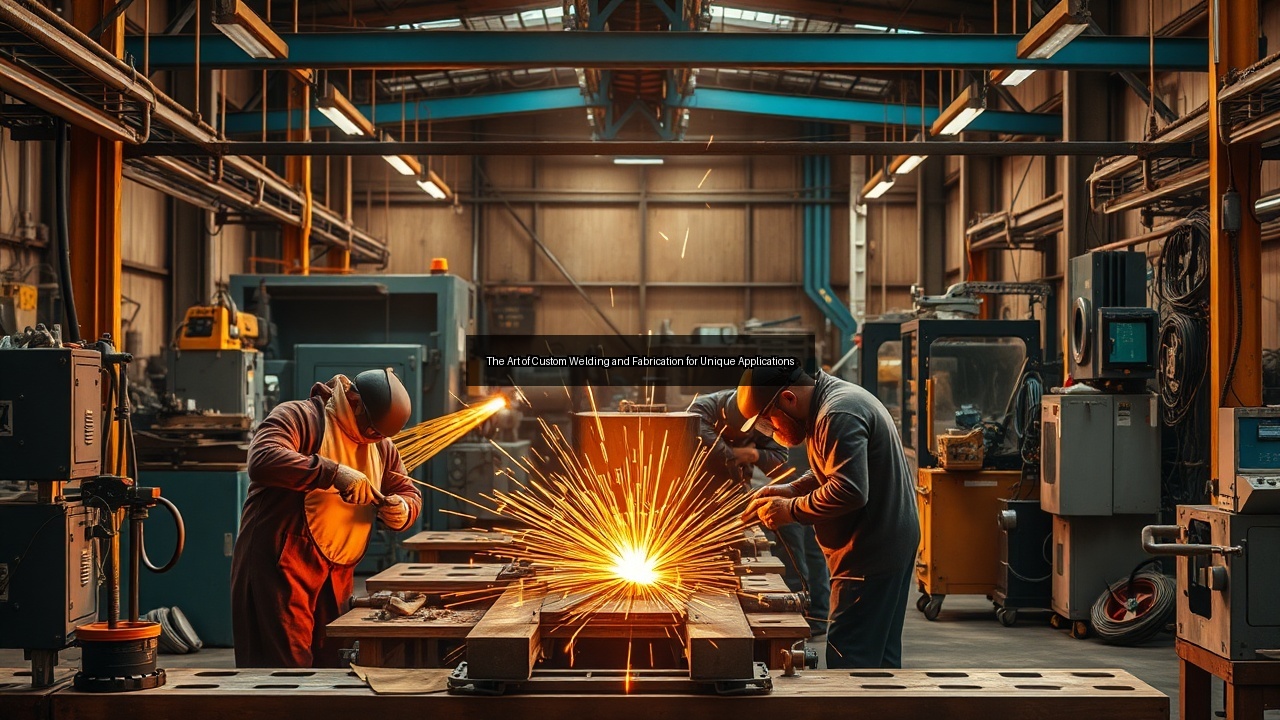
Custom welding and fabrication delivers tailored metal structures that standard manufacturing cannot match. Fabricators assess each project's exact requirements before selecting techniques that produce durable, precise outcomes. This approach supports unique applications in demanding environments where off-the-shelf parts fail. Companies turn to custom welding and fabrication services when they need components engineered for specific loads, dimensions, or operating conditions. The process begins with detailed consultation, followed by material selection and prototype development. Clients gain solutions that integrate seamlessly into larger assemblies, reducing downstream modifications. Metal fabrication experts combine traditional skills with modern tools to achieve results that meet tight tolerances and performance standards. This level of customization drives innovation across sectors that rely on specialized equipment and infrastructure.
Key Industries Utilizing Welding and Fabrication
Aerospace manufacturers depend on welding and fabrication to create lightweight yet strong airframe sections and engine mounts. Infrastructure projects require heavy-duty metal fabrication for bridges, platforms, and support structures that withstand environmental stress. Manufacturing facilities use custom welding and fabrication to produce machinery frames, conveyor systems, and specialized tooling. Fabrication companies also serve the automotive, marine, and energy sectors by delivering parts that fit exact operational needs. Each industry benefits from welders who understand material behavior under different conditions. Metal fabrication and welding services allow these sectors to maintain production schedules while meeting strict safety and quality benchmarks. Expertise in alloys and machining ensures finished products perform reliably over extended service lives.
Types of Metals Used in Custom Fabrication
Aluminum remains popular for its strength-to-weight ratio and corrosion resistance in aerospace and transportation applications. Steel alloys provide the toughness needed for infrastructure and heavy machinery. Fabricators also work with stainless steel, titanium, and copper-based metals to address conductivity, heat resistance, or chemical compatibility requirements. The choice of metals influences every step of the metal fabrication process, from cutting on a saw to final weld inspection. Proper selection prevents distortion and ensures joints maintain integrity under load. Experienced teams evaluate yield strength, ductility, and thermal expansion before committing to a design. This careful matching of materials to function produces components that exceed expectations in unique applications.
The Welding Processes Explored
Overview of MIG and TIG Welding
MIG welding offers high deposition rates and works well on thicker sections of steel and aluminum. Operators use a continuous wire electrode and shielding gas to create clean, strong beads with minimal spatter. TIG welding, also known as GTAW, delivers precise control on thin materials and exotic alloys. Welders manipulate a non-consumable tungsten electrode while adding filler rod by hand. Both processes appear frequently in custom welding and fabrication because they accommodate varied joint configurations and positions. Shops maintain separate stations for each method so technicians can switch quickly between high-volume production and intricate repair work. Proper gas selection and machine settings determine the final weld quality and appearance.
SMAW vs. GMAW: Choosing the Right Method
SMAW, or stick welding, excels in outdoor environments where wind can disrupt gas shielding. The process uses a flux-coated electrode that provides its own protective slag. GMAW, commonly called MIG welding, produces faster welds on clean shop materials with consistent results. Fabricators evaluate joint access, material thickness, and required mechanical properties before selecting either technique. Many fabrication companies keep both SMAW and GMAW equipment available to handle field repairs and controlled production runs. Understanding the strengths of each method allows project managers to optimize workflow and reduce rework. Proper electrode and wire selection directly affects weld strength and appearance in finished assemblies.
Brazing and its Applications in Fabrication
Brazing joins metals at lower temperatures than welding, preserving base material properties while creating strong, leak-tight bonds. The process suits dissimilar metals such as copper to steel or aluminum to brass. Fabricators apply filler alloys that melt and flow into joints through capillary action. Brazing appears in heat exchangers, hydraulic lines, and electrical components where welding heat would cause damage. Shops integrate brazing stations alongside traditional welding cells to expand service offerings. Operators control torch or furnace parameters carefully to achieve uniform filler distribution without distortion. This technique complements other metal fabrication methods and supports complex assemblies used in aerospace and energy equipment.
The Fabrication Process: From Concept to Completion
Designing for Custom Fabrication
Effective design starts with clear communication between engineers and fabricators about load paths, tolerances, and assembly sequences. CAD models allow teams to simulate stresses and identify potential issues before cutting begins. Designers specify weld sizes, joint preparations, and material grades that align with available machinery. Custom welding and fabrication projects succeed when drawings include detailed notes on surface finishes and inspection criteria. Iterative reviews catch conflicts between aesthetics and structural demands. This upfront effort reduces material waste and shortens lead times. Teams that treat design as an active collaboration produce parts that fit correctly on the first attempt and perform as intended throughout their service life.
The Role of Engineering in Fabrication
Engineering input guides material selection, process planning, and fixture design throughout the metal fabrication process. Structural calculations verify that proposed weldments can handle expected forces. Engineers also specify nondestructive testing methods and acceptance criteria that satisfy industry codes. Their involvement ensures compliance with safety regulations and performance requirements in aerospace, infrastructure, and manufacturing applications. Fabricators rely on these calculations when choosing between automated and manual techniques. Engineering oversight during production prevents costly changes and maintains consistent quality across multiple units. This technical foundation supports the creation of reliable, efficient custom components.
Workflow and Project Management in Metal Fabrication
Successful projects follow a structured workflow that begins with order review and ends with final inspection and delivery. Managers coordinate cutting, forming, welding, and machining operations to minimize idle time. They track material availability and schedule welder assignments based on skill level and process requirements. Digital tools help monitor progress and flag delays before they affect deadlines. Fabrication companies that maintain clear communication between departments complete work on schedule and within budget. Regular status meetings allow quick adjustments to tooling or sequencing. This disciplined approach turns complex custom welding and fabrication jobs into predictable, repeatable successes.
Technological Advancements in Welding and Fabrication
Automation in Modern Fabrication
Automated welding cells increase consistency and throughput on repetitive joints. Robotic arms equipped with MIG or TIG torches maintain precise torch angles and travel speeds that human operators struggle to match over long shifts. Automation also handles material handling between saws, presses, and inspection stations. Fabrication companies adopt these systems to meet growing demand while reducing physical strain on welders. Programmers optimize paths to minimize cycle times and spatter. The technology integrates with existing machinery to create seamless production lines. Shops that invest in automation expand capacity without sacrificing the flexibility needed for unique, one-off projects.
Quality Control and ISO 9001 Standards
ISO 9001 certification requires documented procedures for every stage of the metal fabrication process. Fabricators perform incoming material checks, in-process weld inspections, and final dimensional verification against customer drawings. Traceability records link each component to its welder, machine settings, and inspection results. This systematic approach identifies root causes of defects and drives continuous improvement. Companies that follow these standards deliver consistent quality that builds long-term client trust. Regular audits confirm that processes remain effective as technologies evolve. Quality control therefore becomes a competitive advantage in the custom welding and fabrication market.
Innovative Tools and Machines in Welding
Advanced power sources offer waveform control that improves arc stability on aluminum and stainless steel. Laser and plasma cutting machines produce cleaner edges than traditional saw methods, reducing subsequent grinding. Portable welding machines with data logging capabilities allow on-site monitoring of parameters in infrastructure projects. Fabricators combine these tools with traditional expertise to tackle previously impossible geometries. Regular training keeps welders current on new features and safety practices. The ongoing evolution of machinery supports faster turnaround and higher precision in custom applications across multiple industries.
Sustainability and Cost Considerations in Metal Fabrication
Energy Efficiency in Fabrication Processes
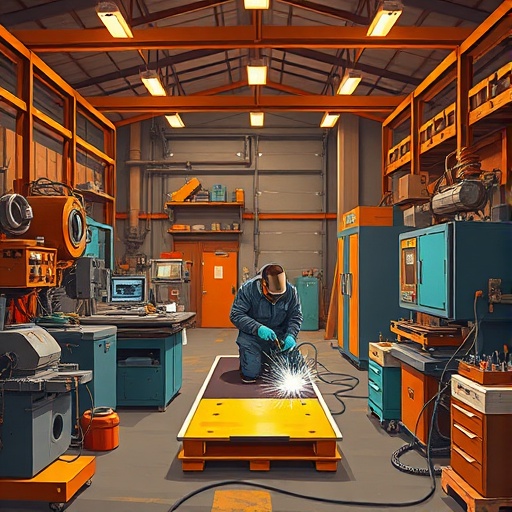
Modern inverters consume less electricity than older transformer machines while delivering equivalent or better arc performance. Shops schedule high-energy operations during off-peak hours to lower utility costs. Heat recovery systems capture waste from welding and machining to warm facilities in colder months. These measures reduce the carbon footprint of metal fabrication without compromising output. Fabricators also evaluate process parameters to minimize unnecessary arc time and gas consumption. Energy-efficient practices align with client expectations for responsible manufacturing. Companies that track and report these savings strengthen their position when bidding on sustainability-focused projects.
Evaluating Material Costs and Weight Considerations
Material selection directly affects both purchase price and shipping expenses. Engineers compare the cost per pound of different alloys against required mechanical properties and corrosion resistance. Lightweight designs using aluminum or advanced high-strength steels lower transportation costs and improve end-product efficiency. Fabricators optimize nesting on sheet and plate to reduce scrap rates. Accurate weight calculations help customers forecast total project expenses. Transparent discussions about trade-offs between material grade and fabrication difficulty prevent budget overruns. This balanced evaluation supports competitive pricing while maintaining performance standards.
The Future of Sustainable Welding and Fabrication
Emerging technologies such as friction stir welding and additive manufacturing reduce material waste and energy use. Recycled metals with certified traceability enter supply chains more frequently as mills improve quality. Fabricators explore low-fume consumables and enclosed welding cells to protect worker health and meet stricter environmental regulations. Automation paired with real-time monitoring further minimizes defects that lead to rework. These developments position welding and fabrication services to support circular economy goals while delivering the custom components industries require. Forward-thinking companies invest in training and equipment that align with these trends, ensuring long-term relevance and operational efficiency.
See Also
- Advancements in Aerospace Welding and Fabrication Technologies
- The Role of Automation in Transforming Welding and Fabrication Processes
- Key Considerations When Choosing a Welding Service for Your Project
- Essential Tools for Every Metal Fabrication Workshop
- Exploring the Future of Welding Technologies and Their Impact on Industry