Unleashing Precision in Aerospace with AS9100 Certified Machine Shops
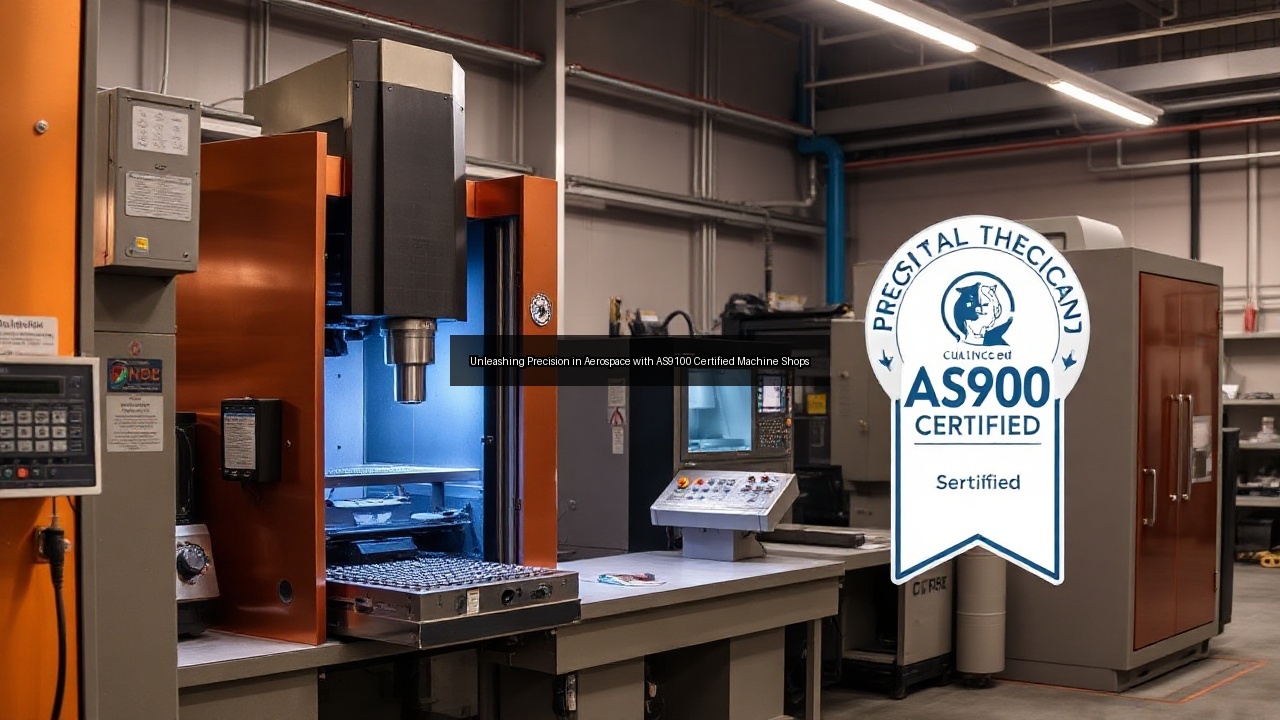
Understanding AS9100 Certification in Aerospace
What is AS9100 Certification?
AS9100 certification represents a significant benchmark in the aerospace industry, establishing a framework for quality management systems (QMS) specifically tailored to meet the rigorous demands of aerospace manufacturing. Developed by the International Aerospace Quality Group (IAQG), AS9100 encompasses the standards set forth in ISO 9001 while incorporating additional requirements unique to the aerospace sector. It provides a comprehensive set of guidelines that organizations must follow to ensure the safety, reliability, and performance of aerospace products. Achieving AS9100 certification involves rigorous audits and assessments to confirm that the machine shop adheres to these stringent standards consistently, making it a crucial credential for businesses aiming to compete in this specialized industry.
The Importance of AS9100 in Aerospace Manufacturing
AS9100 certification plays a pivotal role in aerospace manufacturing, serving as a key differentiator in a highly competitive marketplace. The certification not only enhances the credibility of a machine shop but also instills confidence in customers and stakeholders regarding the quality and safety of products. Aerospace components must undergo intense scrutiny due to their critical applications in aviation and defense. Therefore, adherence to AS9100 ensures that machine shops implement effective processes for risk management, continuous improvement, and customer satisfaction. Furthermore, AS9100 fosters collaboration among suppliers and manufacturers, facilitating better communication and alignment on quality expectations. This collaboration ultimately leads to reduced defects, enhanced product reliability, and improved overall operational efficiency.
Comparison with ISO 9001 Standards
While AS9100 certification builds upon the foundation of ISO 9001, it introduces additional requirements that tailor the standard specifically for the aerospace sector. ISO 9001 focuses on general quality management principles, promoting customer satisfaction and process improvement. In contrast, AS9100 incorporates elements such as risk management, product safety, and specific regulatory compliance, addressing the unique challenges faced by aerospace manufacturers. For example, AS9100 emphasizes the importance of traceability, ensuring that each component can be tracked throughout the manufacturing process. This level of detail is critical in aerospace applications where failure can have catastrophic consequences. By achieving AS9100 certification, machine shops not only demonstrate compliance with ISO 9001 but also their commitment to meeting the stringent demands of the aerospace industry.
The Role of AS9100 Certified Machine Shops
Benefits of Using AS9100 Certified Machine Shops
Utilizing AS9100 certified machine shops brings numerous advantages to aerospace manufacturers. First and foremost, these shops adhere to stringent quality management protocols, ensuring that every product meets the highest standards of precision and reliability. This capability reduces the risk of defects and recalls, which can be costly and damaging to a company's reputation. Additionally, AS9100 certified machine shops often leverage advanced technologies and methodologies, resulting in enhanced production efficiency and reduced lead times. The certification also fosters a culture of continuous improvement, where processes are regularly evaluated and refined to maximize performance. Collaborating with an AS9100 certified shop gives aerospace companies peace of mind, knowing that they are partnering with a facility committed to excellence in quality and safety.
Key Features of Aerospace Machine Shops
Aerospace machine shops possess unique features that cater specifically to the needs of the aerospace industry. These shops are equipped with advanced machinery capable of handling a variety of materials, including metals like aluminum, titanium, and copper. Precision machining is vital in aerospace applications, where even the smallest deviation can lead to significant issues. AS9100 certified machine shops utilize cutting-edge technology such as CNC machining, additive manufacturing, and advanced inspection systems to ensure that every component meets exact specifications. Furthermore, these shops implement rigorous quality control measures, including non-destructive testing (NDT) and statistical process control (SPC), to maintain compliance with industry standards. The combination of high-quality equipment, skilled personnel, and a commitment to quality creates an environment where aerospace components are manufactured to the highest standards.
Hogge Precision: A Case Study in Quality and Precision
Hogge Precision exemplifies the excellence achievable through AS9100 certification. This aerospace machine shop has built a reputation for delivering high-quality components that meet the stringent demands of the aerospace sector. By adhering to the AS9100 framework, Hogge Precision ensures a systematic approach to quality management, focusing on risk assessment and mitigation throughout the manufacturing process. The shop's commitment to utilizing advanced machining technologies, coupled with a highly skilled workforce, allows them to produce complex parts with unparalleled precision. Case studies of their projects reveal a consistent track record of on-time delivery and customer satisfaction. Hogge Precision serves as a prime example of how AS9100 certification can drive business success while adhering to the highest standards of aerospace manufacturing.
Metalworking Excellence in Aerospace
Materials Used in Aerospace Machine Shops: Copper, Metals, and More
Aerospace machine shops work with a diverse range of materials, each selected for its specific properties and applications. Metals such as aluminum, titanium, and steel are common due to their strength-to-weight ratios, corrosion resistance, and durability. Copper, while not as prevalent, finds its role in specific applications where conductivity is essential. The selection of materials directly affects the performance and safety of aerospace components, making it crucial for machine shops to understand the characteristics of each material. AS9100 certified shops use detailed material specifications and testing to ensure that every batch of material meets industry standards. This meticulous attention to detail in material selection and processing not only enhances product quality but also contributes to overall safety in aerospace applications.
ITAR Compliance and Its Impact on Metalworking
International Traffic in Arms Regulations (ITAR) compliance significantly influences the operations of aerospace machine shops. ITAR governs the export and import of defense-related articles and services, ensuring that sensitive technologies do not fall into the wrong hands. For machine shops working with aerospace components, particularly those related to military applications, ITAR compliance is non-negotiable. AS9100 certified machine shops often integrate ITAR requirements into their quality management systems, ensuring that all personnel are trained and aware of the regulations. This adherence not only protects national security interests but also enhances the machine shop’s credibility in the industry. Compliance with ITAR fosters trust among customers, allowing them to engage with shops that prioritize regulatory adherence while maintaining high-quality standards.
Quality Management Systems in Aerospace Manufacturing
A robust quality management system (QMS) is the backbone of successful aerospace manufacturing. AS9100 certification provides a structured approach to implementing a QMS, emphasizing the importance of continuous improvement and customer satisfaction. Effective QMS in aerospace encompasses documentation, process mapping, and performance metrics to monitor quality throughout the production cycle. This systematic approach allows machine shops to identify areas for improvement and implement corrective actions promptly. Furthermore, regular audits and reviews ensure that the QMS remains compliant with both AS9100 standards and customer requirements. By fostering a culture of quality and accountability, aerospace machine shops can achieve operational excellence, reduce waste, and enhance overall product integrity.
See Also
- Exploring the Benefits of AS9100 Certification for Aerospace Suppliers
- Metalworking Mastery in Aerospace What AS9100 Means for Your Shop
- From ISO 9001 to AS9100 How Aerospace Machine Shops Evolve
- The Role of AS9100 Certification in Elevating Metalworking Excellence
- Best Practices for Achieving AS9100 Certification in Your Machine Shop